
Resources / Asset Lifecycle Guide
Hospitality Asset Lifecycle Guide
Understanding asset lifecycles, protecting investments, and making smarter replacement decisions for hotels, resorts, casinos, and commercial properties.
Maintain. Preserve. Replace at the Right Time.
Every asset in your property will eventually need to be replaced.
Carpets, PTAC units, mattresses, furniture, flooring, kitchens, public spaces, and guestroom equipment all have one thing in common: they will eventually need to be replaced.
The question is not if replacement will occur — but whether those assets are being replaced at the right time, or too soon.
For more than 35 years, Renue Systems has helped hospitality properties maximize asset lifespan through preventative maintenance, deep cleaning, restoration, and asset preservation programs.
This guide helps property owners, management companies, general managers, directors of housekeeping, chief engineers, and asset managers better understand hospitality asset lifecycles — and how proper maintenance can significantly improve return on investment.
What Is an Asset Lifecycle?
Five predictable stages, from acquisition to replacement.
An asset lifecycle is the period between installation or purchase and eventual replacement. The goal of asset preservation is to extend the active use phase as long as possible.

Evaluation

Active Use

Maintenance & Preservation

Decline

Replacement
Why Asset Lifecycles Matter
Hospitality properties invest millions of dollars into assets.
Without a lifecycle strategy, replacement costs can quickly become one of the largest budget challenges facing a property. Properties that manage assets strategically often experience lower long-term operating costs.
Asset-by-Asset Lifecycle Breakdown
Average lifespans, common causes of early failure, and how to extend life.
Each asset has its own lifecycle drivers. Use this section to benchmark your property and identify where preservation programs deliver the strongest return.
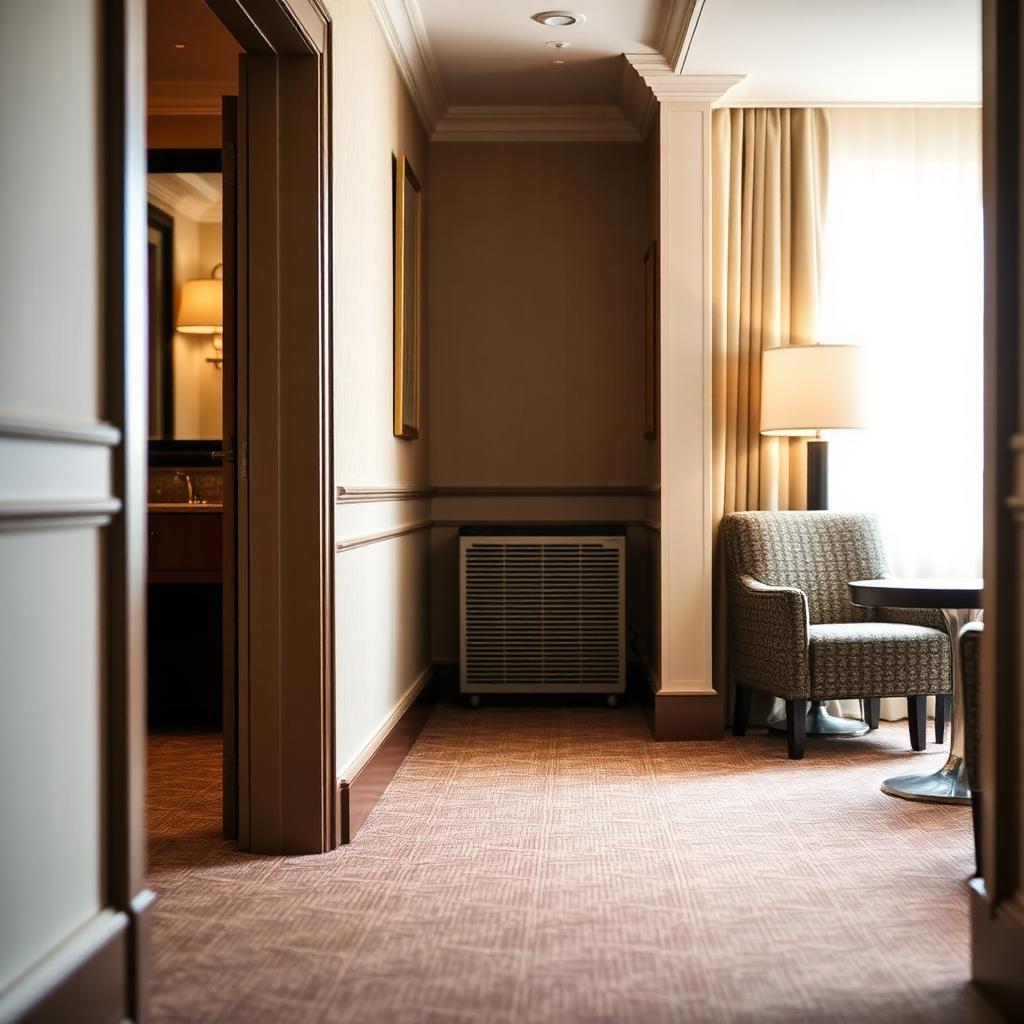

Hotel Carpet
7–15 years
Key Factors
- Occupancy levels
- Traffic volume
- Carpet quality
- Maintenance frequency
- Environmental conditions
Common Causes of Early Replacement
- Embedded soil
- Deferred maintenance
- Staining
- Heavy traffic
- Moisture issues
How to Extend Life
- Routine vacuuming
- Spot treatment programs
- Traffic area maintenance
- Scheduled deep cleaning
- Traffic area maintenance

PTAC Units
8–15 years
Common Causes of Early Replacement
- Dirty coils
- Restricted airflow
- Dust accumulation
- Deferred maintenance
- Environmental contaminants
How to Extend Life
- Routine cleaning
- Scheduled inspections
- Filter maintenance
- Preventative maintenance programs

Upholstery
5–10 years
Key Factors
- Usage
- Fabric quality
- Dust accumulation
- Cleaning frequency
- Guest traffic
Common Causes of Early Replacement
- Embedded soil
- Oils and contaminants
- Stains
- UV exposure
- Neglected maintenance
How to Extend Life
- Scheduled upholstery cleaning
- Fabric protection programs
- Preventative maintenance

Mattresses
5–10 years
Key Factors
- Occupancy
- Brand standards
- Mattress quality
- Maintenance programs
Common Causes of Early Replacement
- Staining
- Improper support
- Moisture exposure
- Physical deterioration
How to Extend Life
- Regular inspections
- Cleaning programs
- Protective covers
- Replacement planning

Tile & Grout
Tile: decades · Grout: variable
Common Causes of Early Replacement
- Discoloration
- Staining
- Staining
- Moisture penetration
- Deterioration
How to Extend Life
- Routine cleaning
- Professional restoration
- Preventative maintenance

Marble & Natural Stone
Generations with care
Common Causes of Early Replacement
- Acid exposure
- Abrasion
- Improper cleaning products
- Neglected restoration
How to Extend Life
- Scheduled polishing
- Restoration programs
- Protective maintenance

Vinyl Flooring
10–20 years
Common Causes of Early Replacement
- Surface wear
- Scratches
- Loss of finish
- Deferred maintenance
How to Extend Life
- Routine restoration
- Protective coatings
- Scheduled maintenance

Guestroom Assets
Brand-standard driven
Key Factors
- Televisions
- Mini refrigerators
- Desks, chairs, lamps
- Headboards & case goods
Common Causes of Early Replacement
- Brand refresh cycles
- Property improvement plans
- Capital planning initiatives
How to Extend Life
- Strategic replacement planning
- Refresh coordination
- FF&E asset management
Timing Is Everything
Replacing too early — or too late — is costly.

The Cost of Replacing Too Early
- Increased capital expenditures
- Budget disruptions
- Operational interruptions
- Lower return on investment

The Cost of Replacing Too Late
- Guest complaints
- Poor reviews
- Brand compliance issues
- Increased maintenance expenses
- Negative property perception
Areas We Help Prepare
From guestrooms to back-of-house, every space matters.

Asset Inventory
Condition Assessments

Maintenance Planning

Budget Forecasting

Replacement Planning
Why Hospitality Properties Trust Renue Systems
Three decades of helping properties maximize asset value.
For more than three decades, Renue Systems has helped hospitality properties extend asset life, improve appearance, reduce replacement costs, and protect valuable investments. Our expertise in deep cleaning, restoration, preventative maintenance, and asset preservation allows us to help clients maximize the value of every asset throughout its lifecycle.
FAQ
Asset lifecycle, answered.
Make Smarter Asset Decisions.
Understanding asset lifecycles is one of the most effective ways to protect investments, improve budgeting, and maximize long-term value. Renue Systems helps hospitality properties create smarter strategies for maintaining, preserving, and replacing assets at the right time.